
SFB 1361 Alumni Interview
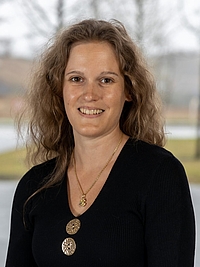
Dr Cathia Rausch
University of Luxembourg
What is your current position?
04.2022 – 12.2024: Personal Scientific Officer to the Director of the Luxembourg Centre for Systems Biomedicine (LCSB) at the University of Luxembourg (UL). In this role, I actively participated in LCSB management and operational processes and was involved in the full life cycle of multiple academic recruitments and evaluations. My daily responsibilities included close collaboration with various stakeholders, including PIs, HR, grants and finance, and legal colleagues. Additionally, I acted as a project manager, supporting the administrative aspects of grant applications, monitoring project schedules, progress, deadlines, and budgets, and assisting with the recruitment of research staff.
As of 01.2025 (permanent position): Quality and Process Specialist within the Office for Professorial Affairs at the University of Luxembourg. In this new role, I will be involved in developing a robust yet agile procedural framework to streamline appointment processes and ensure the smooth execution of individual appointments, from profile development to offer. Additionally, I will contribute to other professorial affairs activities, such as professorial evaluations and promotions.
What is your main area of research?
I transitioned away from active bench work when I joined the Luxembourg Centre for Systems Biomedicine (LCSB) in 2022. While the main research focus at LCSB is neurodegenerative diseases, particularly Alzheimer’s disease, my role as a scientific assistant to the director allowed me to remain engaged with these topics, although without directly conducting experiments.
In my upcoming role at the central University of Luxembourg, I will take on the responsibility of strategically planning and overseeing the processes for all new professorial recruitments and promotions across the entire institution. This shift will further distance me from active research but will deepen my involvement in the strategic benchmarking of new professorial profiles and their associated research areas, ensuring alignment with the university's long-term goals.
Why did you decide not to pursue a career in academia?
While I deeply value my academic training and the insights I gained from my PhD and postdoctoral research, I decided not to pursue a traditional academic career due to my growing interest in the broader organisational and strategic aspects of academia. My current position empowers me to apply my research experience to improve institutional processes, build collaboration, and contribute to the academic mission on a larger scale, all while remaining deeply engaged with the academic environment and staying connected to research, education and knowledge translation and transfer.
In my roles supporting academic processes and recruitment, I discovered the impact I could have by ensuring smooth operations, fostering collaboration among stakeholders, and contributing to the institution’s long-term development. This transition has allowed me to stay connected to academia in a meaningful way, combining my scientific background with strategic planning to enhance the academic ecosystem, complex project management, and policy development.
How did you find your current position? What were the steps you took to get to where you are now?
I found both positions at the UL via their job website. The 2nd position was more special as, in order to support the development of their employees, UL displays internal vacancies for 2 weeks on a dedicated employee webpage before being published on the external careers site. This is consistent with the desire to prioritize internal candidates.
I had to go through several interview rounds for both of the positions. The position at central admin also included the presentation of a case study in front of the recruitment committee.
What advice do you have for someone getting his or her PhD and looking to continue a career in academia?
Pursuing a PhD and continuing in academia is a rewarding but challenging journey. It requires a combination of passion, resilience, and strategic planning. Develop expertise in a subject you love, foster strong mentorship relationships and acquire transferable skills like communication, collaboration, and project management. Welcome challenges, publish and present your work and remain adaptable to the evolving academic landscape, all while maintaining a balance in work and life and opening oneself to various opportunities.