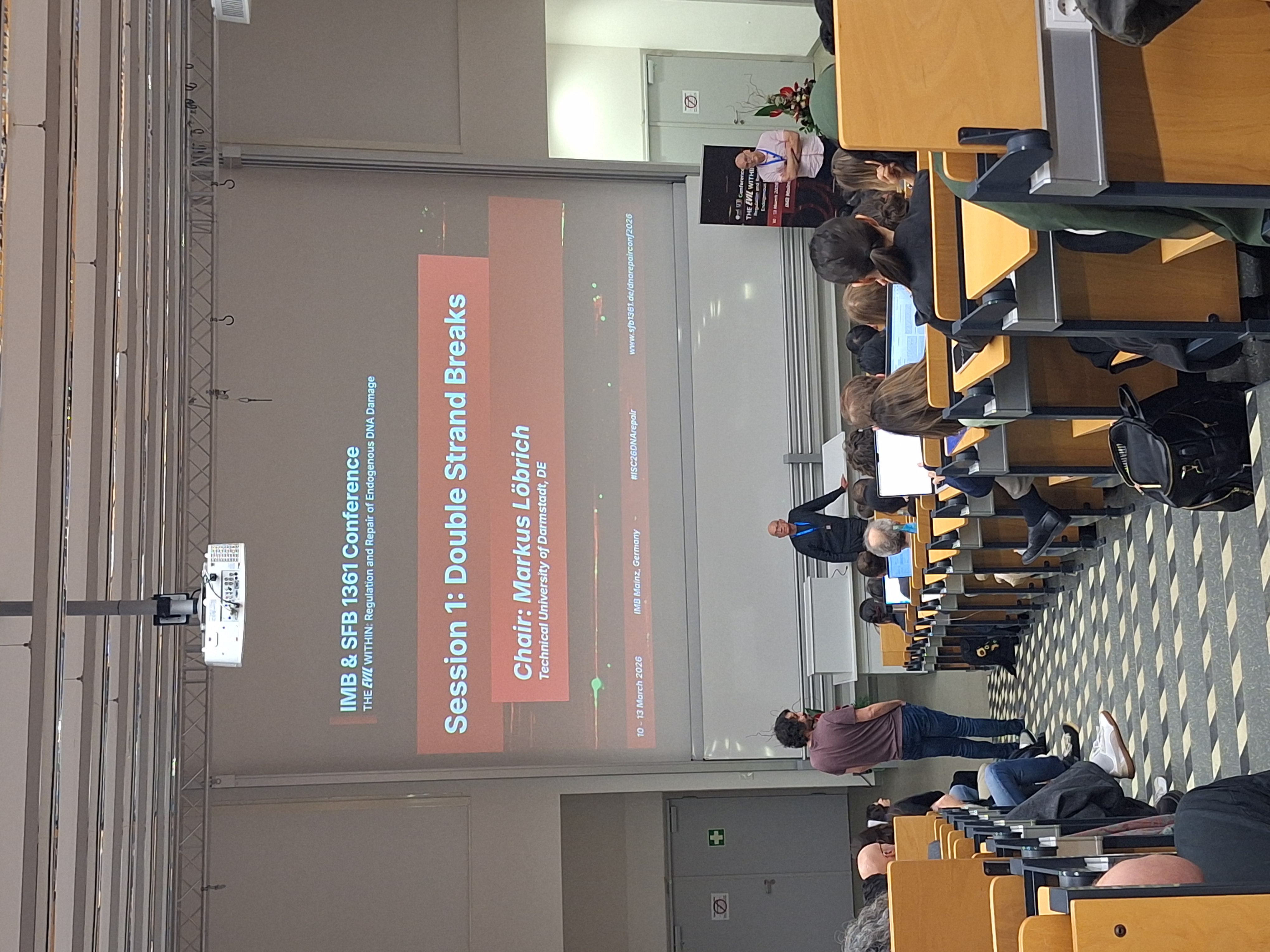
Successful IMB & SFB 1361 Conference brings together DNA repair experts in Mainz
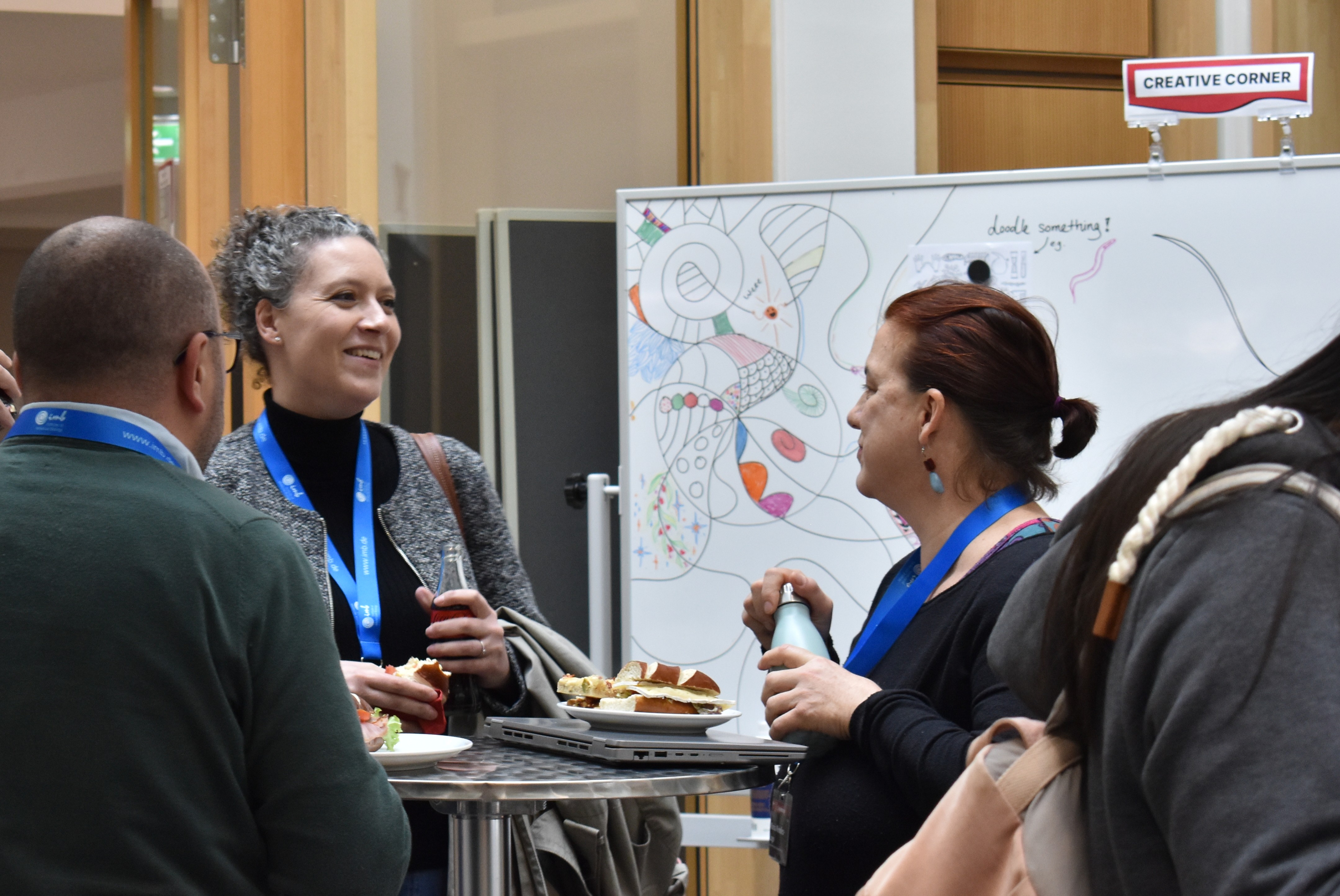
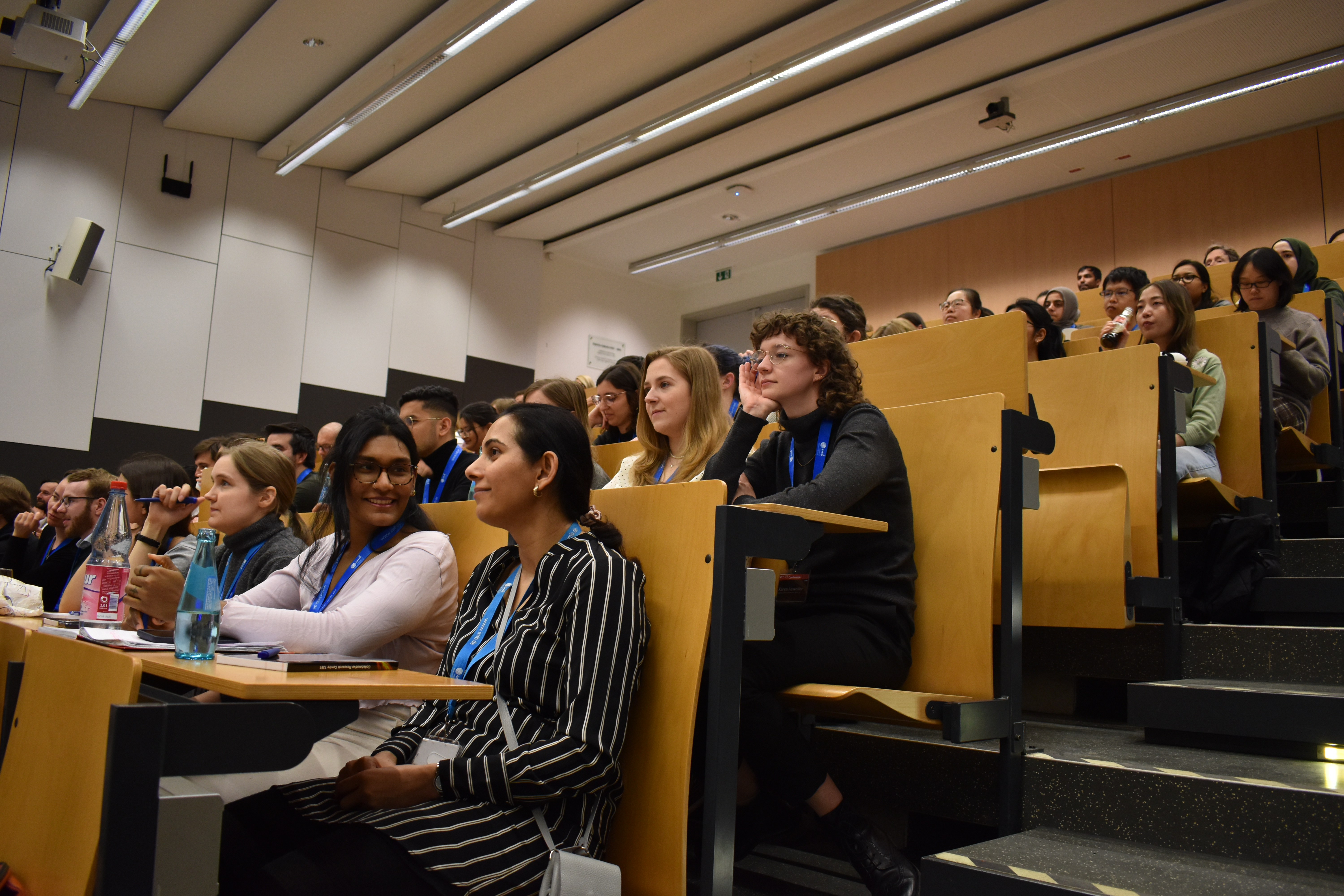
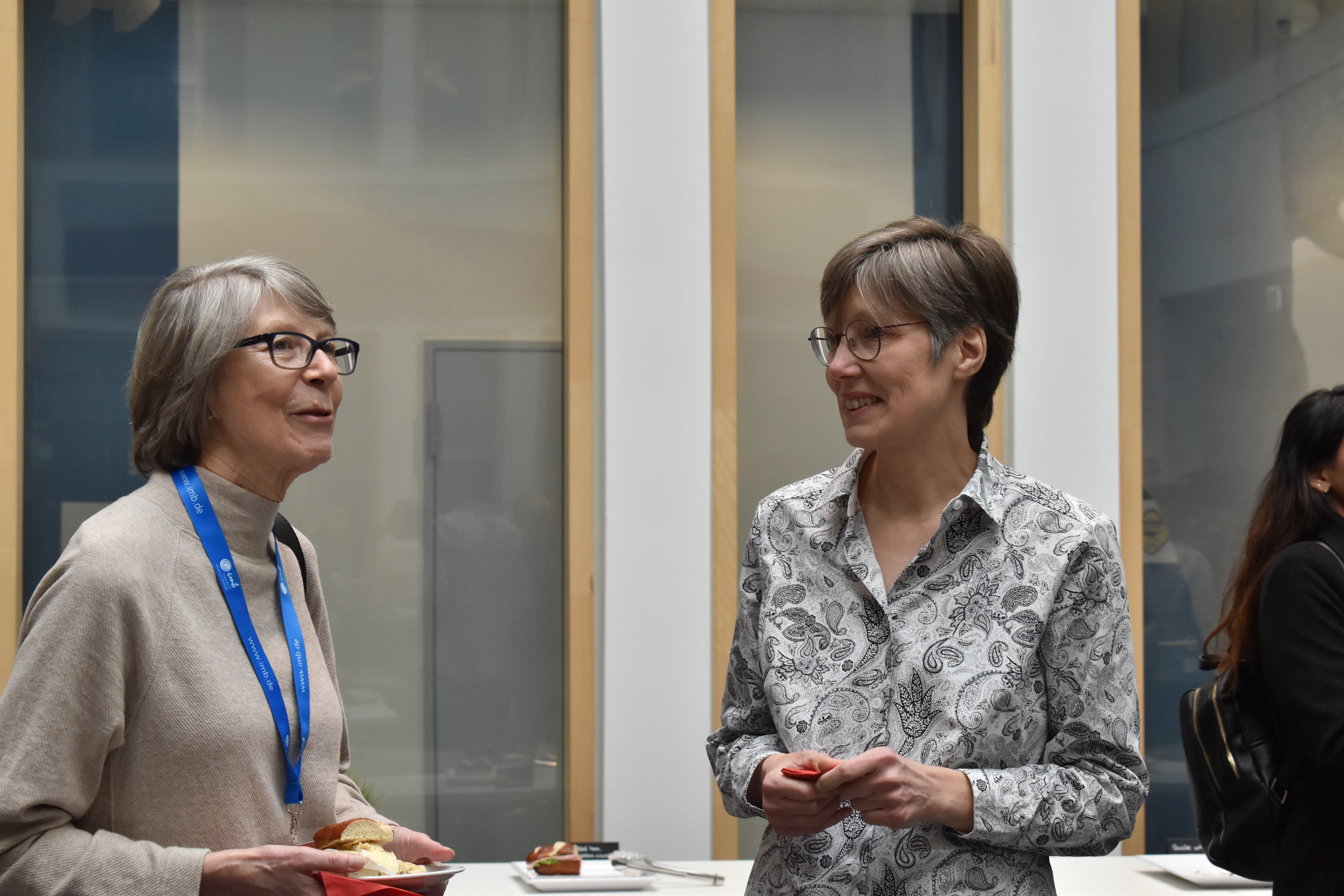
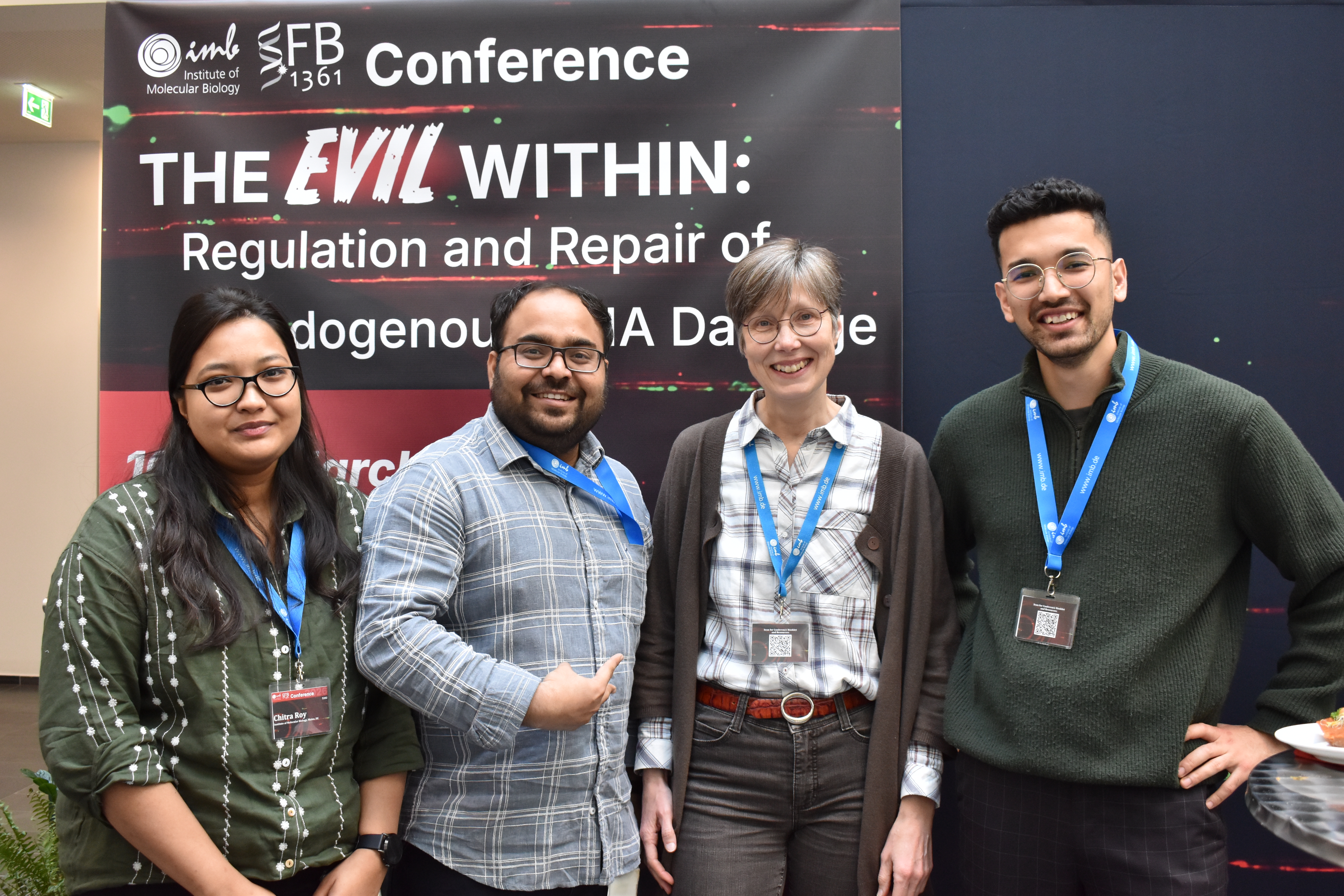
Leading researchers in genome stability and DNA repair converged on the Institute of Molecular Biology (IMB) in March for a joint conference organised by the Collaborative Research Centre (SFB) 1361 and IMB, in partnership with the Centre for Healthy Ageing (CHA). The three-and-a-half-day event, titled “The evil within: Regulation and repair of endogenous DNA damage,” brought together 141 scientists from 12 countries. The gathering served as a critical platform to discuss the latest research on how internal cellular processes damage DNA, the resulting consequences of this damage, and how cells defend themselves against this.
Global collaborative effort on DNA repair & genome stability
The conference featured an impressive roster of 44 speakers, of whom 21 were invited and 23 selected from submitted abstracts. Topics ranged from double-strand breaks, chromatin dynamics and replication stress to telomeres, the link between DNA damage and ageing, and age-related diseases and therapies.
Participants travelled to Mainz from across the globe, representing institutions in Germany, the UK, USA, France, Italy, Spain, Switzerland, Denmark, Canada, the Netherlands and Portugal.
Key insights: from DNA repair mechanisms to cancer therapy and new technologies
The two keynote speakers at the conference were:
Stephen (Steve) West from the Francis Crick Institute in London, who studies how cells use homologous recombination to repair broken chromosomes. Steve discussed his latest research that redefines the organisation of RAD51 paralog proteins into two distinct complexes: the RAD51B complex, which assembles RAD51 filaments, and the XRCC3 complex, which stabilises filament termini. Showing a series of stunning cryo-electron microscopy structures, he provided critical insights into how the recombinogenic filament functions at the molecular level.
Lorraine Symington from Columbia University, New York, who spoke on how replication-dependent double-strand breaks arise from DNA replication stress and how they are repaired in budding yeast. Using Cas9 nickase, Lorraine found that these double-strand breaks are repaired exclusively through homologous recombination rather than non-homologous end joining because their asymmetric ends prevent Ku protein binding. Furthermore, her work revealed that Cas9 nickases increase genomic mutagenesis beyond the target site, offering crucial insights for improving gene editing safety.
In addition to communicating their latest discoveries, conference speakers also shared exciting new techniques to map DNA damage, replication patterns, non-canonical DNA structures and chromatin compaction across the genome. Among the many excellent talks, some highlights were:
Chunlong Chen from Institut Curie, Paris, who developed a bioinformatic tool called Mix ‘n’ Match (MnM) to identify DNA replication states and detect cell-to-cell genomic heterogeneity in cancer cell populations. This allows researchers to better understand the link between genomic instability and replication stress during cancer progression.
Robert Hänsel-Hertsch from the University of Cologne, who discussed his work developing CUT&Break, a method which enables genome-wide detection of chromatin features (such as G-quadruplexes) next to DNA double-strand breaks, thereby linking DNA breakage to chromatin context.
Boris Pfander from the Technical University of Dortmund, who presented a technique called ssDNA-seq to natively detect and quantify single-stranded DNA, a key marker of DNA damage and replication stress, across the genome.
Viviana Risca from Rockefeller University, New York, who spoke on her work developing RICC-seq (radiation-induced correlated cleavage with sequencing), a method to assay chromatin compaction state across the genome and provide insights into gene regulation.
Poster session and prizes
Beyond the lectures, the conference fostered scientific exchange through a dedicated poster session featuring 40 posters from attendees. Following a vote that all attendees could participate in, the best poster prize was jointly awarded to Caroline Barry and Christina Ntasiou (IMB), Maruthi Kumar Pabba (Technical University of Darmstadt), and Farbod Mohseni (RPTU University Kaiserslautern-Landau). Second places were awarded to Eduardo Gameiro (Johannes Gutenberg University Mainz) and Felizitas Stiehler (IMB).
An evening of science in the vineyard
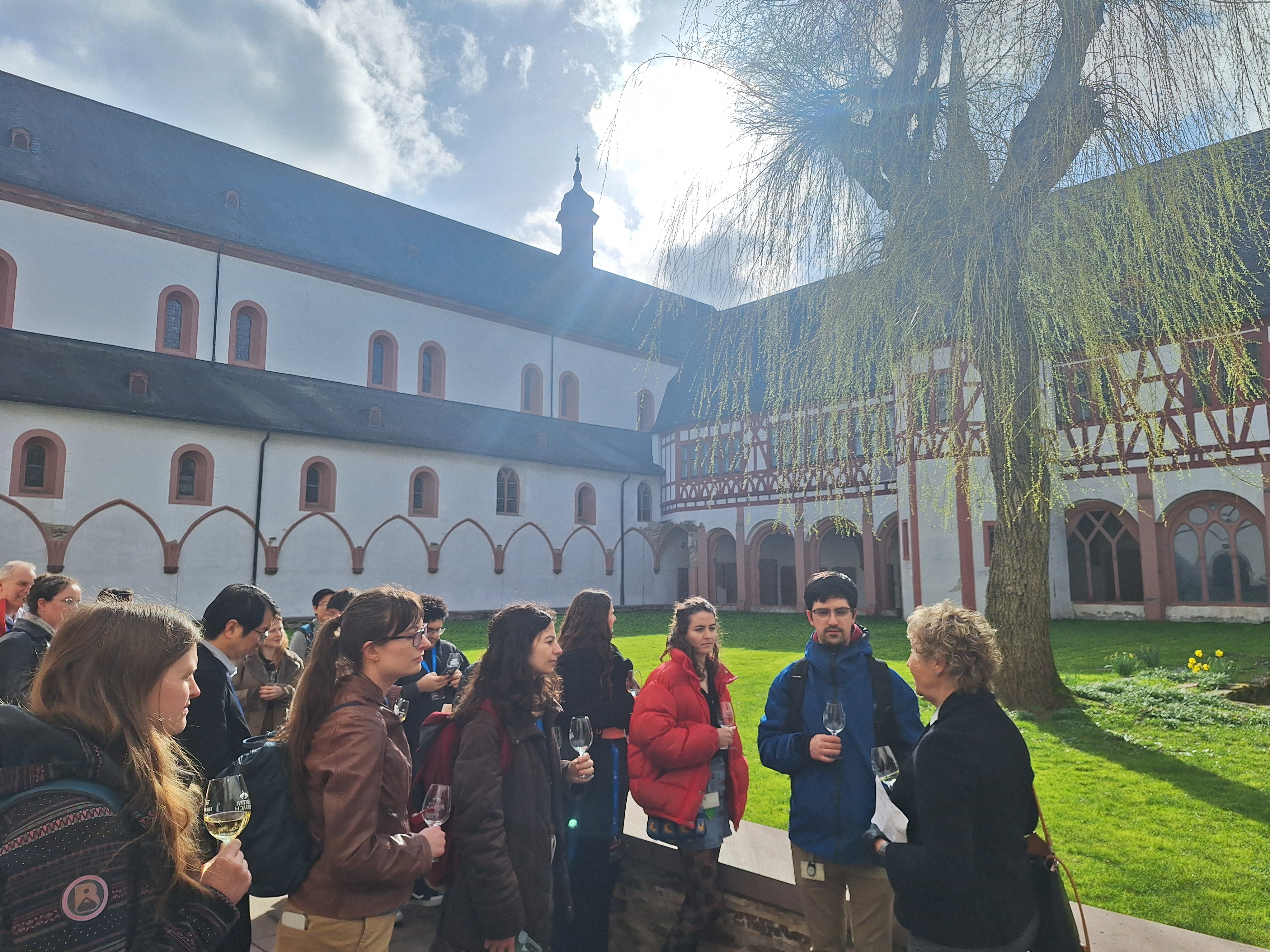
As a highlight of the conference, participants were treated to an excursion to Eberbach Abbey in Eltville. Founded in the 12th century, the medieval monastery is renowned for its historic vineyards. Here, the researchers socialised and networked while enjoying a guided wine tour, blending academic exchange with enjoying the cultural heritage of the region.
Helle Ulrich, speaker of the SFB 1361, says: “The variety of ‘evils’ representing endogenous risk factors for genome stability featured throughout the talks was truly impressive, and our visitors clearly enjoyed the variety of Rieslings we experienced at Eberbach Abbey.”
Overall, the conference was a resounding success in bringing together leading scientists from around the world to Mainz, solidifying the city's position as a leader in the field of DNA repair and genome stability.